Context and headline
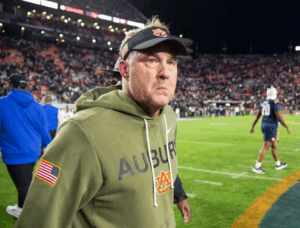
Auburn relieved Hugh Freeze of his duties following the loss to Kentucky and immediately opened a coaching search, creating an urgent program reset on The Plains.
Game summary
Kentucky upset Auburn 10–3 in Auburn, using a dominant pass rush and defensive control to notch its first SEC win of the season and break long-standing negative series trends for the Wildcats.
Key moments and decisive factors
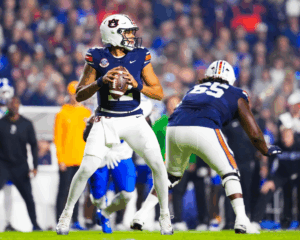
- Kentucky’s defense recorded seven sacks and consistently forced Auburn off its standard rhythm, limiting the Tigers to a single red‑zone trip and three points.
- Auburn’s offense failed to generate explosive plays or consistent red‑zone chances; the Tigers’ inability to convert field position into touchdowns left the scoreboard thin despite home-field advantage.
- A timely freshman play and disciplined situational defense late helped Kentucky preserve the lead and close out the upset.
What worked for Kentucky
- Pass rush and defensive game plan: the Wildcats turned pressure into points prevented and field-position advantages, executing a front-seven game plan that neutralized Auburn’s quarterbacks all night.
- Tempo control and error minimization: Kentucky played a low-variance, field-position-focused game—punting smart, winning the trench battles at critical moments, and avoiding the turnovers that have plagued previous seasons.
What broke for Auburn
- Offensive stagnation: Auburn’s play-calling and execution failed to create separation; drives routinely stalled before the red zone, turning potential touchdowns into field-goal attempts or punts.
- Program-level instability: the loss accelerated administrative action — the firing of Freeze — which now forces Auburn into an immediate coaching search and raises recruiting and roster retention risks into the short term.
Tactical checklist (practical week-to-week fixes)
- Kentucky: keep the rush packages that worked; convert more third-down red‑zone looks into touchdowns by sharpening short-yardage play-calls and red-zone formations; prioritize OL continuity to protect the defensive advantage.
- Auburn: stabilize the quarterback decision framework and simplify early-drive scripts to generate higher-percentage completions; shore up offensive-line communication and run-game balance to reduce three-and-outs; protect recruiting continuity during the coaching transition.
Where each program goes from here
- Kentucky (near term): this win gives Stoops’ staff breathing room and the defensive identity to build on; the key is translating defensive success into more reliable offensive scoring so the program can string wins together and quiet calls for broader change.
- Auburn (near term): the program faces an urgent rebuild of leadership and messaging; the next hire and how the staff handles the portal and in-season recruiting will determine whether the Tigers stem attrition and reset quickly or enter a prolonged rebuild cycle.
- Medium term: Kentucky can leverage this signature win to recruit momentum and stabilize the season if it sustains defensive pressure and improves red-zone efficiency. Auburn’s ceiling depends heavily on the incoming coaching profile — an impact hire could salvage the season and recruiting; failure to act decisively risks deeper on-field and roster decline.